
Exxon Wants to Repeat Its Guyana Success in Trinidad. Should You Buy the Stock Now or Wait for the First Well?
 2026-10-14 21:30
•Jeff Siegel •The Motley Fool
••• •
2026-10-14 21:30
•Jeff Siegel •The Motley Fool
••• • Axe Cap view
Exxon’s Trinidad Bet: Exciting but Patience Required
Exxon’s move into Trinidad could pay off, but South African investors should lean on current cash flow, not future wells.
ExxonMobil’s push into Trinidad aims to replicate its Guyana success, but the timeline to meaningful production is years away—mid-2027 for site approval and drilling not until late 2027 or early 2028. For South African investors, that means adding direct exposure to this exploration story is premature. Exxon’s current strength is in cash-rich operations like the Permian Basin, delivering $14.5 billion in Q2 2026 earnings. The company’s steady cash flow supports dividends and buybacks now, which matter much more than speculative offshore wells. Given the rand’s usual sensitivity to global commodities and dollar moves, Exxon’s existing operations help stabilize USD/ZAR volatility risk for South African portfolios. Still, if oil prices tumble or exploration disappoints, Exxon’s shares could falter. Wait for the Trinidad results before chasing new highs. this is just our opinion and not financial advice
Hold Exxon if you have it for reliable cash flow exposure but avoid buying specifically for Trinidad exploration until drilling results are in.
- ExxonMobil (XOM)
- USD/ZAR
- Oil prices drop significantly
- Offshore exploration fails to find commercial reserves
6/10
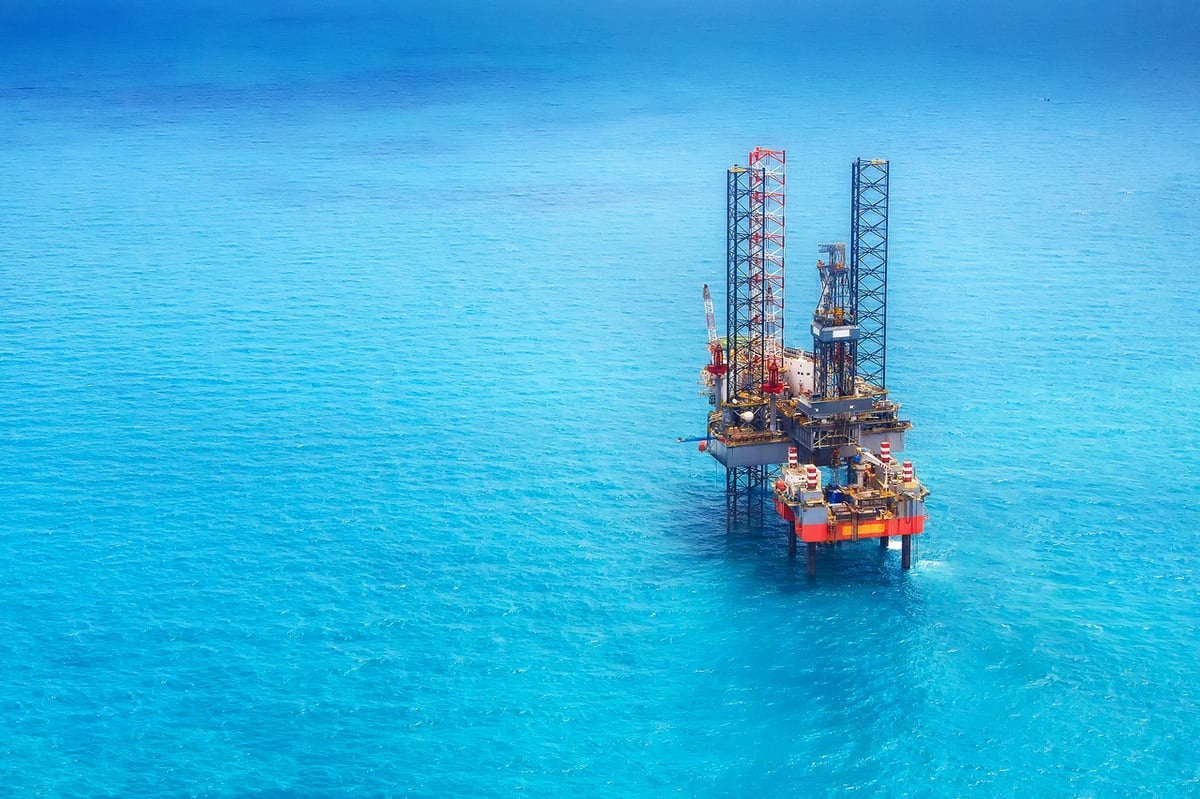
ExxonMobil is pursuing exploration opportunities in Trinidad and Tobago, seeking to replicate its successful Guyana offshore operations. The company expects to select its first drilling location by mid-2027, with an initial exploration well potentially following in late 2027 or early 2028. However, the article argues that investors need not wait for Trinidad results to justify buying Exxon stock, as the company's existing operations—including strong Q2 2026 earnings of $14.5 billion and record Permian Basin production—provide a solid investment foundation independent of exploration outcomes.
Our take is based on reporting first published by The Motley Fool.