
Bond Investors Are Wary of SpaceX's Borrowing Binge to Buy Nvidia Chips
 2026-10-13 13:37
•Matthew Benjamin •The Motley Fool
•••••••• ••
2026-10-13 13:37
•Matthew Benjamin •The Motley Fool
•••••••• •• Axe Cap view
SpaceX’s Massive Debt Raises Flags for Risk-Conscious Investors
SpaceX’s plan to double its debt to fund AI infrastructure is unsettling bond markets and offers a relevant warning for South African investors eyeing high-growth sectors.
SpaceX’s $40 billion borrowing plan to buy Nvidia chips signals serious ambition—but also serious risk. Their CDS prices jumping 76% since June shows bond investors doubt the company’s ability to meet these obligations. While SpaceX has a hefty cash pile from its recent IPO, the pace at which it’s burning capital to compete in AI is concerning. This isn’t just a Silicon Valley story; it reflects broader lessons for JSE investors. High-growth plays, especially in tech and infrastructure, often look exciting but can carry crippling debt hidden beneath shiny prospects. South African companies in the fintech or digital space should be watched closely for similar aggressive borrowing. Meanwhile, the rand (USD/ZAR) might also react to risk appetite shifts if global credit markets tighten. The view could be wrong if SpaceX’s AI bets pay off faster than expected, supporting cash flow growth and making this debt sustainable. this is just our opinion and not financial advice
Avoid chasing highly leveraged growth plays on the JSE for now. Instead, focus on banks like Standard Bank or Nedbank, which offer stable income with less risk of overextension. Keep an eye on USD/ZAR for signals on risk sentiment.
- Standard Bank
- USD/ZAR
- SpaceX or similar companies rapidly default on debt
- Renewed global credit tightening impacting emerging markets
6/10
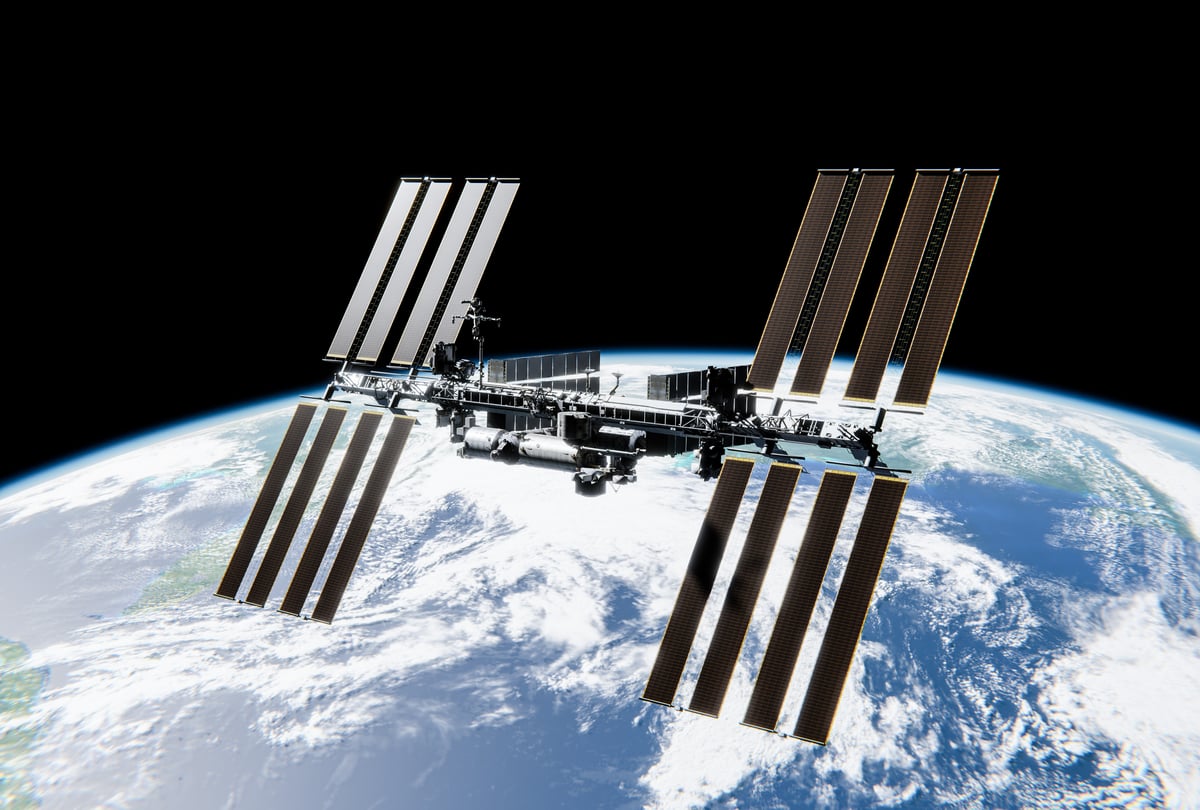
SpaceX plans to borrow $40 billion to purchase Nvidia chips for AI infrastructure, which would double its existing debt. Bond investors are concerned about the company's ability to repay, as evidenced by a 76% surge in credit default swap prices since June. Despite having $100 billion in cash on hand from its recent IPO, SpaceX is burning through funds rapidly, raising questions about whether the company can compete in the AI space.
Our take is based on reporting first published by The Motley Fool.